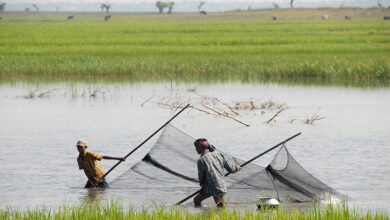

For decades, Bangladesh’s seafood export industry has revolved around one dominant product: shrimp. Bagda and golda, often called the “white gold” of the coastal economy, have played a central role in the country’s seafood trade. However, Bangladesh now faces a changing global market and a new trade reality. As Bangladesh approaches its scheduled graduation from Least Developed Country (LDC) status, the country faces a changing global trade environment. Greater competition, changing market preferences and stricter international standards will challenge the traditional shrimp-centered export model.
Shrimp will remain important. But relying heavily on a single product creates economic risk. To build a resilient and competitive seafood industry, Bangladesh must diversify its export basket by investing in finfish, crab, mussels, seaweed and other high-value aquatic products.
Shrimp Alone Cannot Carry the Future
Shrimp remains one of Bangladesh’s most valuable seafood exports, and the industry should continue to receive support. However, several challenges have limited its growth. Climate change threatens coastal aquaculture through cyclones, storm surges and changing salinity patterns. Disease outbreaks can also cause serious financial losses for farmers. Meanwhile, low productivity and small-scale farming systems continue to reduce competitiveness.
International buyers also demand stronger guarantees on food safety, traceability and sustainability. Bangladesh should therefore strengthen its shrimp industry while developing new export opportunities. The future should not be about replacing shrimp. It should be about building a stronger seafood economy around it.
Pangasius and Tilapia: From Domestic Success to Export Opportunity
Bangladesh has achieved remarkable growth in freshwater aquaculture. Pangasius and tilapia have become commercially important species and supply large volumes of affordable fish to domestic consumers.
Their export potential remains underdeveloped. Both species grow quickly and support commercial-scale production. With improved processing, quality control and marketing, Bangladesh could target regional and international markets. The industry should focus on value-added products rather than exporting only whole fish.
Crab: A Proven Opportunity
Crab already demonstrates that Bangladesh can succeed beyond shrimp. Demand for crab exists in several international markets, particularly for high-value live and processed products. Bangladesh can expand this sector through better hatchery development, sustainable farming, improved handling and stronger cold-chain systems.
However, growth must remain environmentally responsible. The industry should protect natural stocks and prevent the harvesting of immature crabs. Sustainable management will determine whether crab becomes a long-term export opportunity.
Mussel Culture: An Untapped Coastal Resource
Mussel culture offers another promising opportunity for Bangladesh’s coastal and marine economy. Many countries have developed profitable mussel industries because mussels require relatively low external feed inputs. They can also be cultivated using ropes and other relatively simple systems.
Bangladesh’s coastal waters may offer opportunities for carefully planned mussel farming, particularly after proper site selection, environmental assessment and food safety monitoring. Mussels could serve both domestic consumers and international markets.
The industry needs research on suitable species, farming locations, seasonal production and market demand. Strong monitoring is also essential because shellfish can accumulate harmful contaminants from surrounding waters.
With proper regulation and investment, mussel culture could become an important component of Bangladesh’s emerging blue economy.
Seaweed Could Create a New Blue Economy Industry
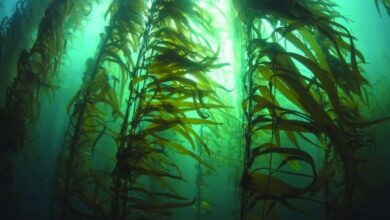
Globally, seaweed supports food, pharmaceuticals, cosmetics, fertilizers, animal feed and biotechnology industries. Demand for sustainable marine-based products continues to grow. Bangladesh has coastal areas where researchers and entrepreneurs could explore commercially viable seaweed cultivation.
It requires no freshwater or agricultural land, making it attractive for coastal communities facing land and salinity pressures. Seaweed can also support environmentally sustainable coastal livelihoods when farms follow proper ecological management.
Marine Fish and Other Underutilized Species
Bangladesh’s marine waters contain many commercially valuable species that remain underdeveloped in export markets. Selected marine finfish, small pelagic species and other underutilized aquatic resources could create new business opportunities.
Scientists, government agencies and the private sector should identify species with strong market potential and sustainable harvesting limits. Better landing facilities, stock assessment and cold-chain infrastructure will also play critical roles.
Standards Must Become a Competitive Advantage
Diversification will succeed only if Bangladesh can meet international standards. Global seafood buyers increasingly demand food safety, traceability, sustainability and responsible production.
Bangladesh has made important progress in shrimp processing, particularly in food safety systems. Other seafood value chains now need similar improvements. Certifications and internationally recognised standards can also help Bangladeshi producers enter higher-value markets.
Instead of viewing these requirements only as barriers, Bangladesh should treat them as opportunities to modernise the seafood industry.
The Infrastructure Challenge
Weak cold chains often reduce product quality and increase post-harvest losses. Better ice production, landing facilities, refrigerated transportation and cold storage could strengthen the entire industry. Investment in processing is equally important.
Global consumers increasingly prefer convenient seafood products. Bangladesh should therefore expand production of fillets, portions, ready-to-cook products and other value-added items. This transformation could increase export earnings while creating skilled jobs. Bangladesh does not need to choose between shrimp and other seafood products; instead, it needs a balanced and diversified strategy. Shrimp should remain a major export product, while the country simultaneously develops pangasius, tilapia, crab, mussels, seaweed and other commercially promising marine species.
Achieving this transition will require coordinated efforts from the government, researchers and the private sector to improve production, sustainability, food safety, processing and market access. Bangladesh has already demonstrated its strength in fisheries and aquaculture. The next challenge is to transform that strength into a more diversified, resilient and globally competitive seafood export industry. Shrimp built the foundation, but Bangladesh’s future seafood economy can offer much more. It is time for the country to cast a wider net.