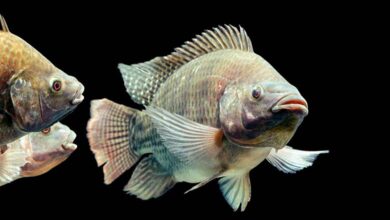
Bangladesh is a nation deeply connected to fish as reflected in the saying, ‘Mache-Bhate Bangali’ (fish and rice make a Bengali). From the small household ponds to the Bay of Bengal, fish widely supports our food security, economy and cultural identity. For millions of people, it is an everyday source of protein, nutrition and livelihood. But an invisible problem is emerging beneath these waters. Tiny plastic particles are entering aquatic ecosystems and finding their way into fish. These tiny particles of plastic are known as microplastics. Their presence has raised an important question: are we consuming microplastic when we eat fish and should we be worried about our health?
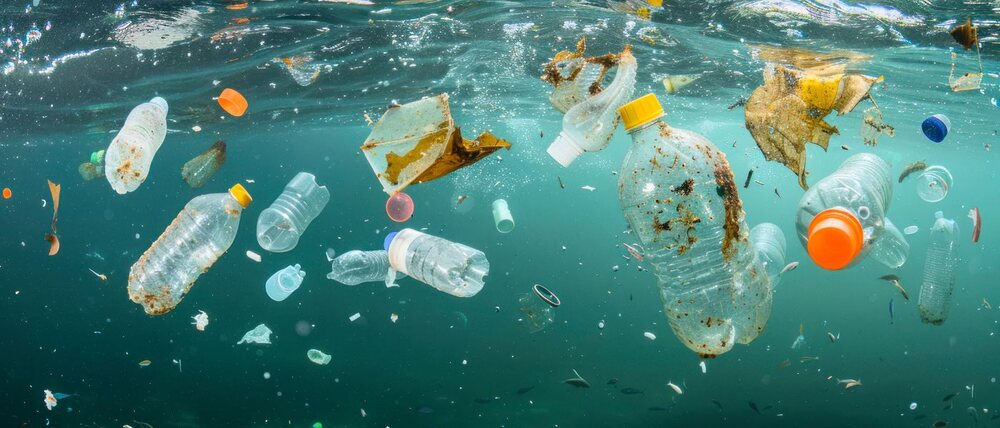
Microplastics are generally defined as plastic particles smaller than five millimeters. Some are produced as small particles, while others form when larger plastic items break down over time. Plastic bags, bottles, food packaging, synthetic textile fibers and discarded fishing materials are among the major sources of microplastics. Poor waste management allows these materials to enter rivers, canals, wetlands and coastal waters. Sunlight, waves and weathering gradually break larger plastics into smaller pieces over the time.
Once entered in the waterbodies, these particles can be swallowed by aquatic organisms. Small invertebrates may ingest them while feeding. Fish may consume these microplastics directly or through their food or prey. In this way, microplastics can enter aquatic food webs.
For Bangladesh, this problem is particularly relevant and growing concern about the food safety. Bangladesh’s extensive river network, densely populated urban areas, coastal ecosystems and large fisheries sector create many points where plastic waste can reach aquatic environments.
A study published in Anthropocene Coasts in 2025 examined 80 fish from four species collected from the Meghna River estuary. In this study, researchers detected 573 microplastic particles. Approximately 81.3% of the sampled fish contained particles in their digestive tracts. (Hossain et al., 2025).
Another 2025 study published in Aquaculture Research investigated microplastic contamination in 30 fish belonging to five species from Bangladesh’s Padma River. Where researchers detected 252 microplastic particles across the samples. All 30 fish contained microplastics, which were found in the intestines, gills and muscle tissues. The intestines had the highest abundance, followed by the gills and muscle tissues (Mondal et al., 2025).
Microplastic contamination has also been documented in fish from the Bay of Bengal along Bangladesh’s coast. Research has detected plastic particles in the digestive tracts, gills and muscle tissues of different species of marine fish. A 2026 study of marine fish from the Cox’s Bazar coast detected microplastics in 77.5% of gill samples and 82.5% of gastrointestinal samples.
Microplastic pollution is not limited to rivers and marine waters; it has also reached Bangladesh’s freshwater aquaculture ponds. Studies have detected tiny plastic particles in pond water and farmed fish (particularly in Pangus and Tilapia) including their gills and digestive tracts.
These studies provide evidence that the problem extends beyond a single river or habitat. Both wild fish and farmed fish may be exposed to plastic pollution.
But, how do these tiny particles reach fish? Fish may swallow microplastics while feeding in contaminated water or sediment. They may also consume smaller organisms that have already ingested the particles. Feeding habits, habitat and particle size can all influence exposure of microplastics.
The location of the particles inside a fish body is especially important. Microplastics are frequently reported in the gastrointestinal tract, but some studies have also detected them in gills and edible muscle tissue. This distinction matters to consumers. Removing a fish’s digestive tract may reduce exposure to microplastics, but it cannot guarantee complete removal. In Bangladesh, small indigenous fish are often eaten whole and dried fish (shutki) is widely consumed across the country. So, further research is needed to assess dietary exposure.
Scientists are investigating the possible effects of microplastics on human health. Laboratory studies have raised concerns about inflammation, oxidative stress and cellular damage. Some plastic particles may also contain chemical additives or interact with other environmental contaminants. However, the long-term health effects of consuming microplastics remain uncertain. Laboratory findings do not automatically prove that eating contaminated fish causes disease in humans.
The US Food and Drug Administration states that current scientific evidence does not demonstrate that the levels of microplastics and nanoplastics detected in foods pose a risk to human health.
Detecting microplastics in Bangladesh’s fish does not automatically mean they are unsafe to eat, as dietary exposure and potential health effects remain uncertain. More research is needed to establish whether typical dietary exposure produces measurable health effects. Fish remains an important source of protein, essential fatty acids and essential micronutrients. Avoiding fish entirely because of microplastic concerns is not supported by current evidence.
Many consumers may assume that washing, boiling or frying fish removes microplastics. Unfortunately, ordinary food preparation cannot guarantee their complete removal. Washing may remove some particles from the surface, but it cannot reliably eliminate those inside tissues. Removing internal organs may reduce exposure to particles in the digestive tract. Cooking, meanwhile, has not been established as a reliable method for removing all microplastics. Ultimately, the most effective solution is to prevent plastic waste from entering aquatic environments in the first place.
Microplastics in Bangladesh’s fish are an emerging environmental concern. Further research, improved seafood safety monitoring and stronger efforts to reduce plastic pollution are essential to protect aquatic ecosystems and public health. The question is not simply whether plastic has entered our fish. It is how we can reduce that contamination, understand its consequences and protect the waters that sustain Bangladesh’s food security and fisheries livelihoods.
Ali Arman Jobayer
Faculty of Fisheries, PSTU