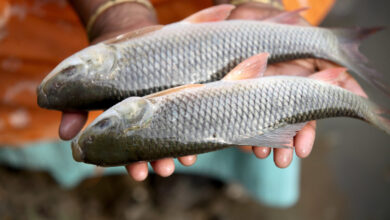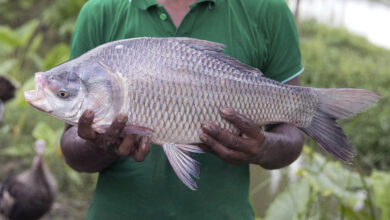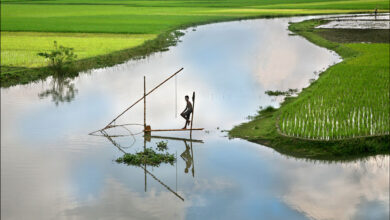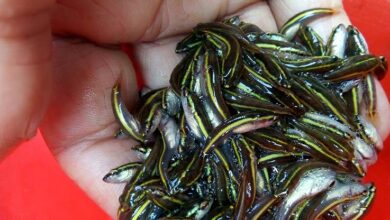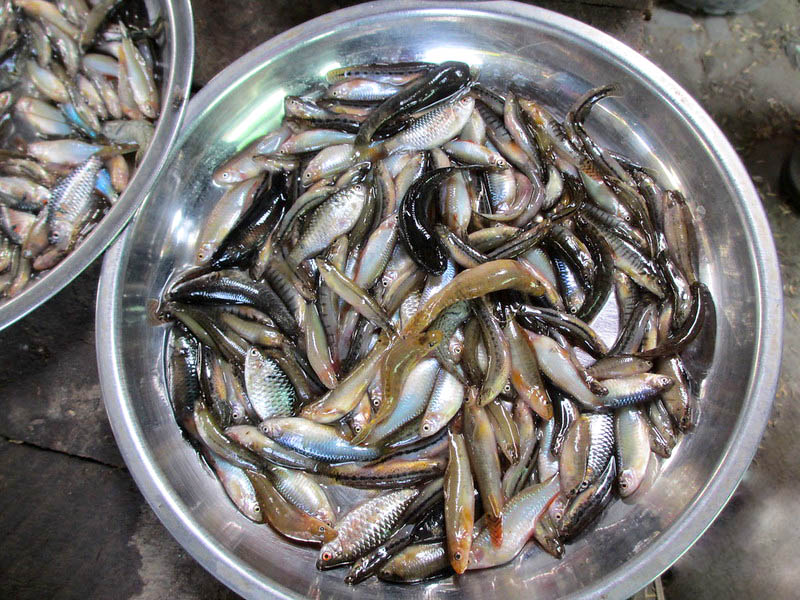
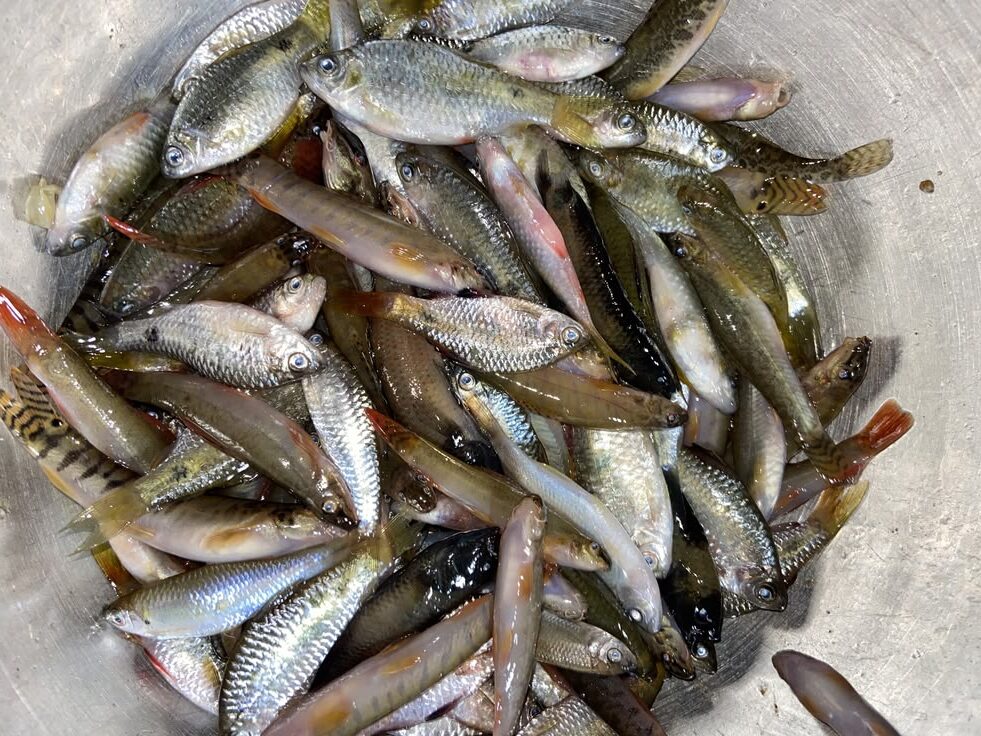
Bangladesh is often celebrated for its fish, particularly iconic species such as hilsa, rohu, catla or pangas. But beneath the attention given to these commercially important fishes lies another group that has quietly sustained rural diets for generations. They rarely make headlines. They are too small to receive the attention given to big commercially important species. Yet across Bangladesh hundreds of rivers, floodplains, beels, haors and ponds, these tiny fishes have a long-played role. For millions of Bangladeshis, they are a silent shield against malnutrition, a lifeline for rural livelihoods and a cornerstone of our vast aquatic biodiversity. They are collectively known as Small Indigenous Fish Species (SIS).
Small Indigenous Fish Species (SIS) contribute in a large number in the fish diversity of Bangladesh and which about more than 150 species. Such as mola, dhela, chela, darkina, punti, chanda, kachki, tengra and many others. Their bodies may be tiny but their value is not. They can be described as a ‘nutrition pharmacy’ because of their rich contribution of micronutrients. Unlike many large fish which are usually eaten after separating the edible portion from head, bones and viscera; many small fish are traditionally consumed whole. As a result, their edible bones, head and other tissues can contribute important micronutrients alongside protein and beneficial fatty acids. SIS are the source of calcium, iron, zinc, vitamin A and other essential nutrients. Mola is especially notable for its vitamin A content. Research has found exceptionally high levels of vitamin A in its edible portions. One study of rural households in Bangladesh found that SIS from wild stocks contributed 84% of total fish consumption.
But there is a concern that Bangladesh’s aquatic environment has undergone profound changes. Wetlands have been converted or fragmented. Natural habitats have been degraded. Pollution, destructive fishing practices, overfishing and changes in water availability have placed pressure on wild SIS populations. Climate change adds further uncertainty by altering flooding, temperature and seasonal water patterns. During rainfall, agricultural runoff can carry pesticides, herbicides and excess fertilizer or nutrients from farmland into adjacent rivers, wetlands and other water bodies, which potentially affects water quality and aquatic organisms.
Compared with the past, the status of SIS in Bangladesh is concerning. Once abundant in our natural waterbodies, they are now increasingly scarce, with many species facing extinction. A major study in the Sylhet haor basin recorded 140 SIS from 35 families and 89 genera. Out of the 140 species, 4 belong to critically endangered, 18 endangered and 14 vulnerable; at the national level. This means over 25% of the species in that study are at risk.
About 64 of the 260 varieties of freshwater fish native to Bangladesh are already extinct while another 56 breeds have been listed as critically endangered by the International Union for Conservation of Nature.
Yet for many SIS, reliable information remains limited. We still lack adequate long-term data for numerous small species on population trends, breeding biology, migration pattern, habitat requirements and responses to environmental change. Without reliable data, it becomes difficult to identify declining populations early and design species-specific conservation strategies.
What are we doing and what more can we do?
Protecting SIS does not necessarily require complicated or highly expensive solutions. In many cases, it begins with protecting the ecosystems where these fish already live. Key actions include: Protect and restore critical aqutic habitats, establish effective fish sanctuaries, promote SIS-friendly aquaculture, control destructive fishing practices, reduce agricultural pollution, increase community-based management or increase research.
MACH Project (Management of Aquatic Ecosystems through Community Husbandry) introduced measures including bans on harmful fishing gears, seasonal fishing closures, banning collection of wild fry, preventing complete dewatering of beels, and establishing sanctuaries in the Turag-Bangshi floodplains. These interventions increased species diversity from 82 to 95 and boosted fish production by nearly 200%.
Carp–mola polyculture can offer a new dimension to address malnutrition. This polyculture can improve nutritional quality without reducing total fish production. Bangladesh has designated important wetlands such as Tanguar Haor as Ramsar Sites, while fish sanctuaries have also been established in various water bodies. But more effectively managed fish sanctuaries are needed across ecologically important rivers, beels, haors and floodplains.
SIS are not just fish; they are the threads that weave together food security, ecological health and cultural identity in rural Bangladesh. If we lose them, we lose more than biodiversity; we lose a cheap and affordable food source that can help to reduce malnutrition, a livelihood for millions and a living link to our aquatic heritage. Let us not wait until these tiny creatures become only a golden memory in our mothers’ recipes. Their future and ours depends on the choices we make today.
Ali Arman Jobayer
Student, Faculty of Fisheries, PSTU.