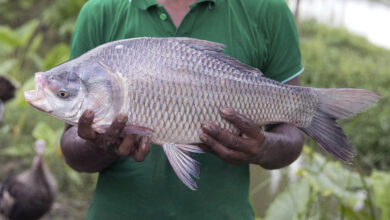
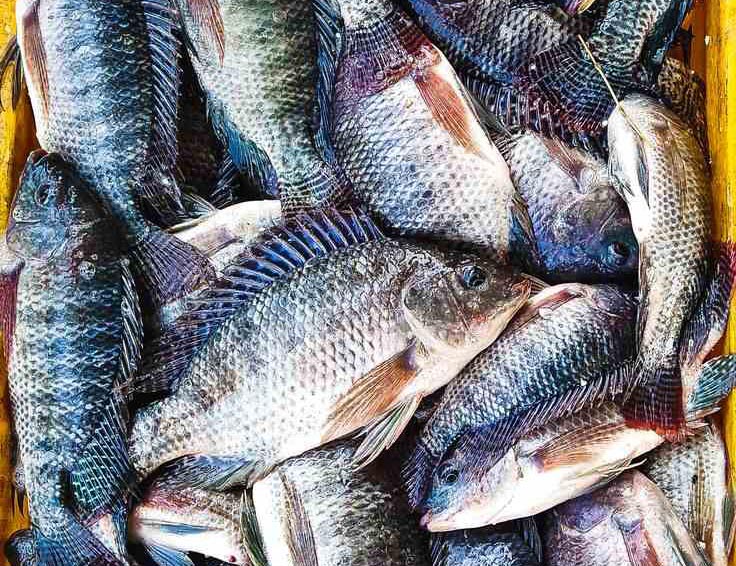
Tilapia has become one of the most widely farmed fish species in Bangladesh in recent years, prized for its hardiness and ability to tolerate a wide range of environmental conditions. Yet despite this resilience, many farmers continue to suffer heavy losses because of gaps in disease awareness and farm management. All the problems can be removed with the right knowledge and timely intervention.
Bangladeshi tilapia farms commonly report four categories of disease. Bacterial infections such as Streptococcosis and Aeromonosis, also known as red spot disease are among the most frequent. Viral outbreaks, particularly tilapia lake virus, pose a growing concern. Parasitic infestations including epistylosis and gill and skin flukes such as Dactylogyrus and Gyrodactylus are also widespread, as is fungal infection in the form of saprolegniasis.
The root causes, however, are rarely the pathogens themselves. Poor water quality low dissolved oxygen, elevated ammonia and nitrite levels, and excess organic waste is the single biggest factor making tilapia vulnerable. This is compounded by overstocking, contaminated or substandard feed, sudden temperature stress, and the practice of stocking already-diseased fry. Weak biosecurity unhygienic equipment, poor pond hygiene, and irregular monitoring creates the conditions pathogens need to spread.
Disease control in tilapia farming works best as an integrated strategy rather than a reactive fix. It begins at the pond itself by drying and liming the pond bed and disinfecting all equipment lays the groundwork for a clean start. Fry should be sourced only from disease free, reputable hatcheries and given a preventive salt or potassium permanganate bath (3–5 ppm) before stocking. Farmers with the resources to do so can also set up a separate nursery system to isolate young fish during their most vulnerable stage.
Once fish are in the pond, routine monitoring becomes the farmer’s most valuable tool. Water quality oxygen, pH, and ammonia levels should be checked regularly, with dissolved oxygen ideally maintained between 5–7 mg/L and pH around 7.5–8. Feed should be nutritious and measured carefully, since excess feed that goes uneaten quickly degrades water quality. Stocking density should stay moderate, oxygen supply consistent, and pond sediment clean. Daily observation of fish behaviour, paired with vitamin or probiotic supplementation to strengthen immunity, rounds out a sound prevention routine alongside basic biosecurity measures such as quarantine protocols, controlled visitor access, and dedicated equipment for each pond.
Feed is a quiet but critical variable in disease prevention. Every batch whether purchased or farm-prepared should be checked daily for a normal smell, natural colour, firm texture, and free from parasites or fungal contamination. At the point of purchase farmers should confirm the expiry date and request a nutritional certificate from the manufacturer. Storage matters just as much as sourcing. Feed should be kept dry and cool with humidity below 12 percent in airtight and insect-free containers following a strict first-bought, first-used rotation, and used within three months of purchase.
During feeding fish should actively consume their feed within 20–30 minutes; if they don’t or if weather turns poor or fish show signs of illness, feeding should be paused. Farmers are also encouraged to periodically send feed samples to their nearest fisheries office to verify nutritional quality independently.
The first response to an outbreak matters as much as long-term prevention. Feed should be reduced or stopped altogether for 24–48 hours, preventing uneaten feed from rotting and further degrading water quality. At the same time, farmers should urgently test dissolved oxygen, pH, ammonia, and nitrite levels, since deteriorating water chemistry is closely linked to disease outbreaks. Running extra aerators is critical during this phase particularly at dawn and on cloudy days, when sick fish have elevated oxygen demand. Pond sediment should be cleaned and affected fish isolated immediately, with treatment beginning only once a fisheries expert has properly diagnosed the problem.
Diluting the pond with fresh water, roughly 20–30 percent of total volume, combined with a mild salt treatment of 1–3 ppt (1–3 kg per 1,000 litres), can meaningfully reduce fish stress during this recovery period, since tilapia tolerate moderate salinity well.
Guesswork is the biggest risk during an outbreak. Proper diagnosis requires collecting both living sick fish (5–10 samples) and dead specimens separately, then examining external signs such as body sores, pale or reddened gills, rotting fins, and cloudy eyes. Where possible, gill sections and skin mucus should be prepared as slides and examined under a microscope for direct evidence of parasites or bacteria. For a conclusive diagnosis, however, samples should be sent to a local fisheries office, a fisheries research institute, or a university .
Farmers are strongly cautioned against administering antibiotics without a confirmed diagnosis, since indiscriminate creates antibiotic-resistant pathogens . Human medicines or unapproved chemicals should never be used on fish both for safety reasons and because doing so is legally punishable. Sick fish must also never be sold as this poses a direct public health risk to consumers.
Tilapia is less susceptible to disease for this has a great potential contribution to the national economy. But this can be done if farmers are equipped to manage disease effectively. With sound biosecurity practices, informed feed management and timely diagnosis this will go well in the long term of fisheries sector. Government support, including accessible testing facilities and extension services for small scale farmers will be key to do these practices nationwide.
Tasnim Siddiqua
Student, Bangladesh Agricultural University,
Mymensingh