
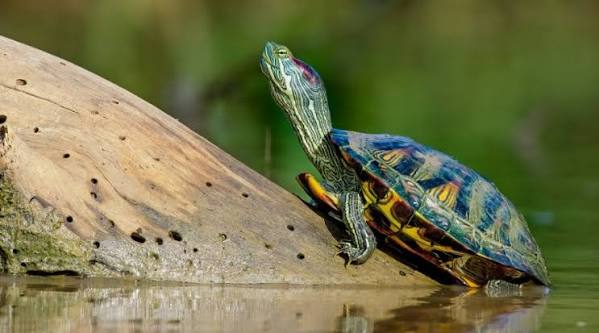
When pets become pests, the effects extend far beyond the places they once occupied. In Bangladesh, over the past decade, thousands of exotic turtles have been illegally imported through the pet and aquarium trade. These include species such as the Red-eared Slider (Trachemys scripta elegans), Yellow-bellied Slider (Trachemys scripta scripta), River Cooter (Pseudemys concinna), Common Snapping Turtle (Chelydra serpentina), and several others species have become popular pets because of their shiny, colorful appearance and very low initial cost. Unfortunately, after a period of time, many owners abandon these turtles into their nearby ponds, lakes, rivers, and wetlands when they become too large, aggressive, or expensive to maintain.
One of the most alarming examples is the Red-eared Slider (Trachemys scripta elegans), which has already been seen in Hatirjheel, Dhaka. This indicates that these exotic turtles are capable of surviving in the waterbodies of Bangladesh. Once introduced into the waterbody of Bangladesh, these non-native turtles compete with native species for food, basking sites, and nesting areas, introduce new diseases, and disrupt the ecological balance of freshwater ecosystems. These turtle species are a great threat for our open water fisheries as they opportunistically prey on fish; particularly eggs, larvae, juveniles, and small fish. They also have high reproductive potential.
The growing scale of this problem can be imagined by a recent law enforcement operation in Mirpur, Dhaka, where the Forest Department and the Wildlife Crime Control Unit rescued about 1,100 exotic turtles which were being illegally kept for sale. This seizure includes 846 Red-eared Sliders, 138 Reeve’s turtles, 56 Common Snapping Turtles, and 38 Yellow-bellied Sliders, along with several exotic snakes, frogs, and geckos. Authority reported that these animals had been smuggled into Bangladesh from Thailand and marketed through online platforms. ( Source: Independent TV )
Bangladesh has already witnessed the ecological consequences of suckermouth catfish in the Buriganga River and several other water bodies. These hardy fish have now adapted rapidly and reproducing in a large amount in the waterbodies of Bangladesh. Today, they eat the larvae and fry of native fish, compete with native fish for food and space, alter habitats, damage riverbanks, and reduce the fishing efficiency which creates both ecological and economic loss. The rise of invasive turtles follows a similar ecological consequences; from the pet trade to natural waterbodies.
Ali Arman Jobayer
Faculty of Fisheries, PSTU