Bangladesh has gained a reputation as one of the world’s leading aquaculture-producing nations by ranking 5th in global aquaculture production. Aquaculture sector contributes 2.53% to GDP and 22% to agricultural GDP, supporting some 2 crore (200 million) people including 14 lakh (1.4 million) women throughout the country. In the year 2023-24, the country produced over 50 lakh tonnes (5 million MT) of fish where nearly 60% came from aquaculture. Fish provides two-thirds of the nation’s animal protein intake. Also Bangladesh has one of the world’s largest flooded wetlands and one of the richest fisheries biodiversity in the world.
Yet Bangladesh is among the most climate-vulnerable countries in the world and ranks second in climate vulnerability of freshwater aquaculture. Also Bangladesh has the lowest adaptive capacity for brackish water production. From 2011 to 2021, the aquaculture sector lost approximately USD 140 million to climatic hazards. Bangladesh’s aquaculture sector is increasingly threatened by a wide range of climate-related challenges. Cyclones and tidal surges (Yaas, Bulbul, Amphan, Remal) have caused a significant and well-documented losses to fish and shrimp farms across the country. Meanwhile, saltwater intrusion is steadily altering pond and gher (earthen water enclosure) ecosystems in coastal regions such as Khulna, Satkhira, and Bagerhat. Rising temperatures and increasingly erratic rainfall patterns are disrupting breeding cycles of native fish species, deteriorating water quality and increasing the risk of disease outbreaks, which causes mass mortality. Moreover, prolonged droughts are reducing freshwater availability in the northern regions. For example, ponds that once retained water for up to nine months are now drying up within as little as five months, which creates a serious threat to inland aquaculture. The southwest region of Bangladesh, where 70% of prawn output is concentrated, is occasionally exposed to cyclones, flooding, sea-level rise, and saltwater intrusion.
In this situation, climate-smart aquaculture can be a promising pathway toward a more climate-resilient and sustainable future for aquaculture production. Climate-Smart Aquaculture refers to the aquaculture that sustainably increases productivity, resilience (adaptation), reduces or removes greenhouse gases (mitigation), and enhances the achievement of national food security and development goals. It is inspired by the broader concept of climate-smart agriculture. It aims to ensure that aquaculture systems remain profitable and sustainable in a changing climate.
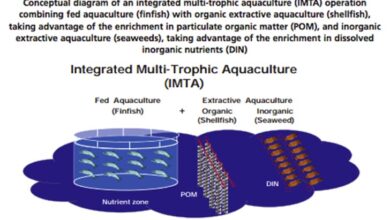
Climate-smart aquaculture is built upon several interconnected components that aim to ensure sustainable and resilient fish production. These include enhancing productivity through improved farm management and feed efficiency, strengthening adaptation by adopting climate-resilient practices and species, and mitigating climate change by reducing environmental footprints. Other key components include efficient management of water, energy and feed resources, the adoption of innovative technologies such as Internet of Things (IoT) and Recirculating Aquaculture Systems (RAS), integrated farming approaches like rice-fish culture and Integrated Multi-Trophic Aquaculture (IMTA), Mangrove-shrimp culture (like vietnam) and supportive, farmer-friendly policies, farmer training and access to financial and extension services, as well as timely climate and weather information.
Climate-smart aquaculture is gaining momentum worldwide as many countries seek sustainable and climate-resilient methods of seafood production. The European Union, the United States and Canada are investing in technologies such as Recirculating Aquaculture Systems (RAS), sustainable feeds, and research initiatives to reduce environmental impacts. In Africa, climate-smart aquaculture is increasingly being viewed as a tool for improving food security and livelihoods. Asia, the world’s largest aquaculture-producing region, is also leading several innovations to adapt climate-smart aquaculture. China has made significant investments in RAS, Japan is advancing land-based aquaculture and India is promoting alternative feeds, integrated fish-rice farming and sustainable certification programs. These developments highlight the growing global commitment to building a more resilient and sustainable aquaculture sector. Climate-smart aquaculture also contributes to achieve Sustainable Development Goals, particularly SDG 2 (Zero Hunger), SDG 13 (Climate Action), and SDG 14 (Life Below Water).
But Bangladesh is lagging behind in this sector. A study of 299 prawn farmers in Bagerhat found a low overall Resilience Assessment Index, suggesting very limited capacity to absorb, adapt and transform under climatic stress. A critical tension emerges from recent research that forecast-based advisory services can facilitate climate-smart transitions, but benefits are linked to substantial “hard” investments such as nets, cages, thermometers, irrigation pumps which make information actionable. Smallholders lack both accessible climate information and the capacity to invest in costly equipment. To promote inclusive and climate-responsive aquatic food production systems in Bangladesh, policymakers, researchers and sector stakeholders have engaged in extensive policy dialogues and reviewed existing fisheries policies, development strategies and research programs. These efforts have led to the formulation of some key climate-responsive policy recommendations aimed at guiding the revision of the country’s National Fisheries Policy of 1998. These areas include:
- Climate-resilient species breeding technology
- Climate-information services at scale
- Nature-based solutions for wetland ecosystems
- Salt-Artemia-tilapia integrated coastal aquaculture.
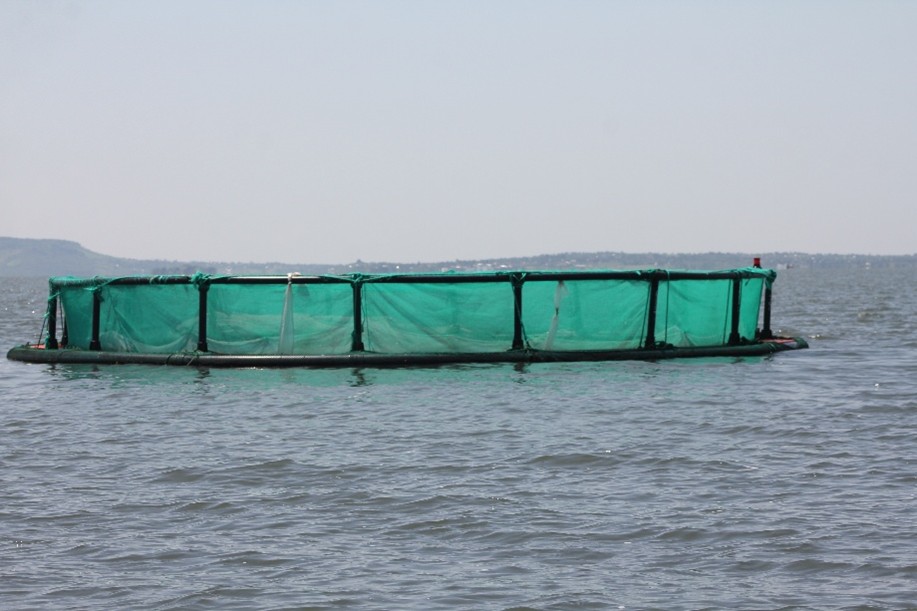
The proposed measures seek to enhance the sustainability and resilience of aquatic food systems, encourage strategic investments and strengthen Bangladesh’s growing blue economy, particularly within the Bengal Delta. Despite having climate challenges, Bangladesh’s aquaculture sector continues to demonstrate some remarkable resilience and innovation. Farmers are increasingly adopting adaptive practices such as salt-Artemia-tilapia integration in Cox’s Bazar to enable year-round production. Farmers in Khulna and Satkhira are shifting toward mud crab and other salt-tolerant species culture in response to rising salinity. Cage culture in flood-prone haor (seasonal wetlands) is also emerging as a viable livelihood option for local communities. At the same time, the private sector is expanding rapidly through investments in feed sectors, oxygenated fish transport systems and other support services. These things are contributing to a sector that now engages more than 3.1 million farmers across the country.
Climate-smart aquaculture in Bangladesh stands at a critical crossroads. Although this sector has experienced impressive growth over the past decades, climate change increasingly threatens its long-term sustainability. Strengthening early warning systems and integrating weather forecasting facilitis into farm-level decision-making can help farmers reduce losses from extreme climatic events. To Move forward it will require bridging the gaps between information and infrastructure, national policies and local implementation, and ensuring that both large and small-scale farmers have equitable access to climate-smart technologies, information and resources. It is also equally important to balance increased production with sustainability by addressing the concerns related to food safety, traceability and environmental impacts. To achieve these goals it will require coordinated efforts through climate-smart investments, stronger community collaboration, policy implementation, and the adoption of innovative solutions such as recirculating aquaculture systems, solar-powered hatcheries and climate-resilient embankments in aquaculture farms.
Ali Arman Jobayer
Faculty of Fisheries,
Patuakhali Science and Technology University (PSTU).