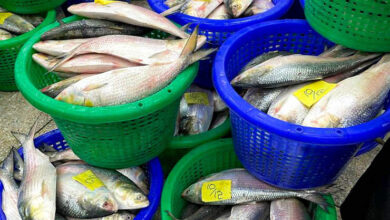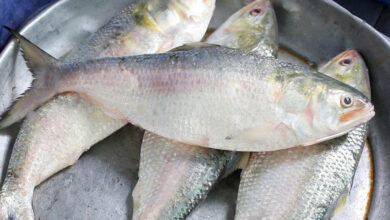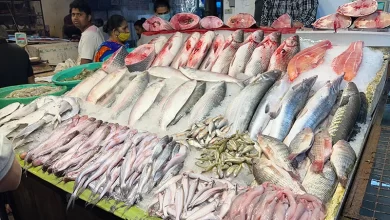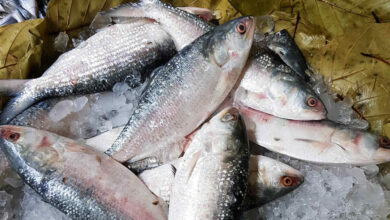
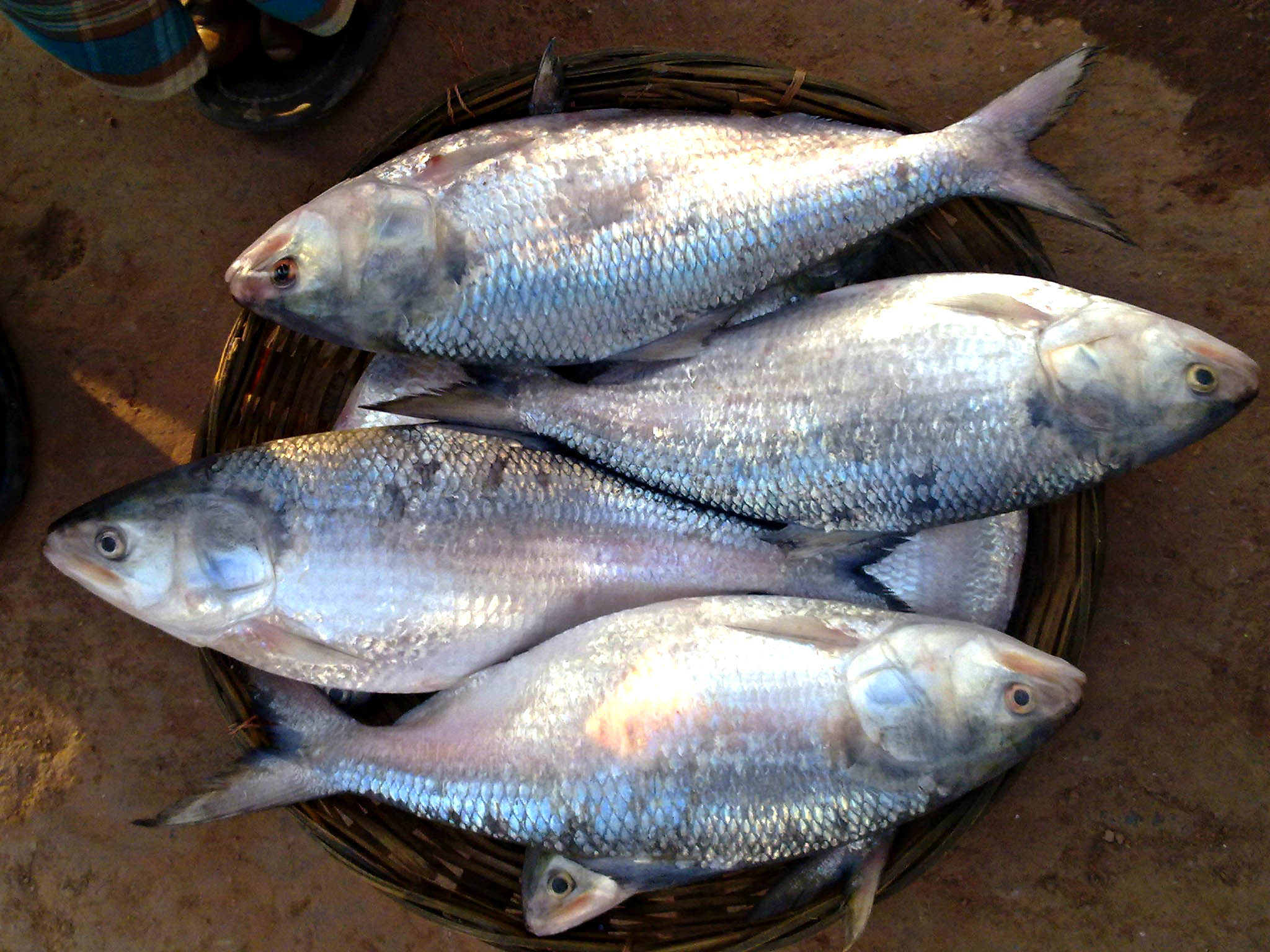
For generations, hilsa has been more than just a fish in Bangladesh. Hilsa is linked with our tradition, heritage and our Bengali identity. It is locally known as ilish. Tenualosa ilisha is the country’s national fish and one of the most important species in its fisheries economy. It supports fishing communities, contributes substantially to national fish production and occupies a unique place in Bangladeshi food culture.
Hilsa makes the highest contribution to the country’s total fish production, accounting for approximately 11%, and contributes about 1% to GDP. Approximately 500,000 people are directly engaged in hilsa fishing, while another 2–2.5 million people are directly or indirectly involved in the hilsa sector. Bangladesh ranks first among the countries that produce hilsa. More than 80% of the world’s hilsa production comes from Bangladesh’s rivers, estuaries and coastal waters.
According to the Department of Fisheries, Bangladesh’s hilsa production stood at 5.65 lakh tonnes in Fiscal Year 2020–21, 5.67 lakh tonnes in Fiscal Year 2021–22, and reached a five-year peak of 5.71 lakh tonnes in Fiscal Year 2022–23. However, production then fell sharply to 5.29 lakh tonnes in Fiscal Year 2023–24 and declined further to 5.00 lakh tonnes in Fiscal Year 2024–25. In other words, after rising steadily for three years, hilsa production dropped by about 12.4% from its 2022–23 peak within just two years. Recent reports in 2026 also indicate that the downward trend in hilsa production has continued into FY2025–26.
This decline raises an important question for a country that remains the world’s leading hilsa producer: Is Bangladesh slowly losing its national fish?
Moreover, Bangladesh is not only producing less hilsa; the fish itself is getting smaller. According to Bangladesh Fisheries Research Institute data, the average length of hilsa declined from 37.2 cm in FY2022–23 to 34.0 cm in FY2025–26, an approximately 8.6% decrease in just three years. The average weight of hilsa has fallen from around 400–450 grams to approximately 300–350 grams.
So, what is driving the decline of hilsa?
Hilsa are anadromous fish. Hilsa depend on a connected network of rivers, estuaries and coastal waters. These habitats are increasingly affected by river siltation, changes in water flow and the obstruction of migration routes. At the same time, overfishing and the capture of juveniles and brood fish can reduce both the present stock and its ability to replenish itself. The Department of Fisheries also identifies small-mesh fishing nets, increasing fishing pressure, industrial pollution and climate variability among the factors affecting hilsa production.
Reduced navigability in upstream river sections is one of the major concerns. Siltation can make hilsa migration routes shallower and less accessible. This may disrupt the movement of hilsa between the sea and rivers, affecting their normal migration and reproductive cycle.
Development projects have also put pressure on hilsa habitats. For example, the 1,320 MW Payra Thermal Power Plant has raised concerns over thermal discharge, pollution and vessel traffic near important hilsa habitats. Bridges and other river-development projects may alter water flow, sedimentation and migration routes, potentially affecting hilsa spawning and movement.
Hilsa depend heavily on plankton for food. The abundance of plankton in the Meghna River has reportedly declined by around 68%. River pollution is considered a major reason for this decline. Reduced food availability in the Padma–Meghna estuary may affect hilsa growth.
So, the national fish needs more than protection during a ban. Bangladesh also needs to protect migration routes, spawning grounds and feeding habitats throughout the year. Reducing pollution, maintaining river navigability, controlling destructive fishing practices and carefully assessing the impacts of power plants, bridges and other river-development projects are equally important. Protecting the fish means protecting the rivers and ecosystems that sustain it.
The question, therefore, is not simply “Where are the hilsa going?”
It is: “What are we changing in our rivers and seas that is making it harder for hilsa to come back?” For a country whose identity is so closely tied to ilish, that may be the more important question of all.
Ali Arman Jobayer
Student, Faculty of Fisheries, PSTU