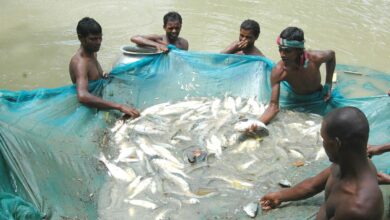
In recent days, aquaculture practices have been increasing rampantly. Bangladesh holds the 3rd position among the world’s largest inland fish producing countries, and ranks 5th in total aquaculture production globally. As the number of fishery practices increases, the use of chemicals has also increased exponentially.
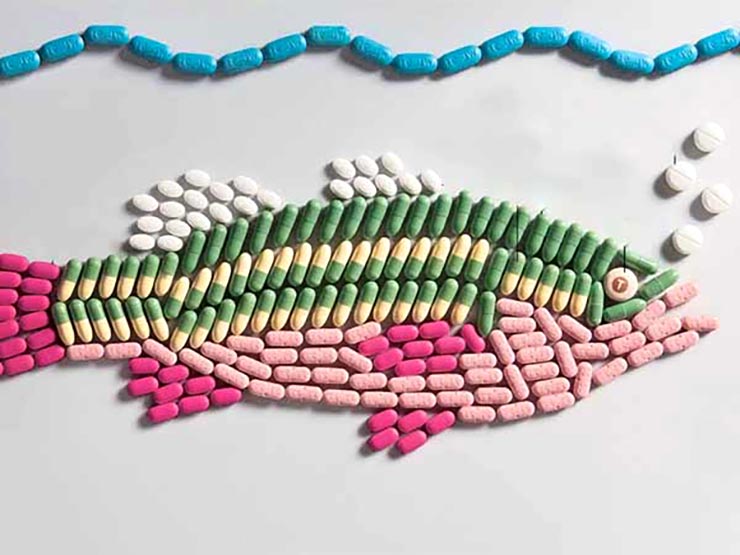
Unfortunately the use of antibiotics excessively and unnecessary causing harm to the aquatic organisms. Antibiotics are chemical compounds whose primary function is to inhibit microbial growth. In aquaculture, beyond treating disease, they are also widely used as growth promoters given to fish in subtherapeutic (below-treatment) doses to boost weight gain and feed efficiency, by suppressing gut bacteria that would otherwise divert the fish’s energy toward fighting infection.
Commonly Used Antibiotics
The antibiotics most commonly used in fisheries include:
Oxytetracycline, Amoxicillin(amoxycillin), Ciprofloxacin,Levofloxacin, Erythromycin, Sulfadiazine, Trimethoprim (often combined as sulphadiazine-trimethoprim), Florfenicol, Sulfamethoxazole.
Notably, a wide range of antibiotics are used for therapeutic purposes in livestock production; however, only two compounds sulfadimethoxine /ormetoprim and oxytetracycline have been approved by the FDA for use in fish. Generally, these compounds are stable during pelleting and storage while making the feed.
The quality of antibiotics must be controlled, and proper feeding rates and withdrawal periods must be ensured to reduce the entry of such compounds into the tissue of food fish or into the surrounding water.
Interestingly, not all antibiotic use translates into benefit: oxytetracycline and chlortetracycline in the diet of salmonids showed no appreciable benefit. However, in red sea bream, administration of a subtherapeutic concentration (0.01%) of furazolidone- a nitrofuran derivative used against salmonellosis and protozoan diseases, improved growth and feed utilization.
Tracing the Sources of the Problem
Finding the sources and possible reasons behind excessive antibiotic use points to a few recurring patterns. Intensive stocking, poor hygiene, and contaminated pond water create ideal breeding grounds for infection, which in turn drives farmers to reach for more antibiotics. Freshwater pond systems, in particular, have been linked to heavier antibiotic use than coastal brackish-water farms.
Underlying all of this is a persistent knowledge gap: many farmers in Bangladesh have never received formal training in aquaculture, don’t fully understand what antibiotics are meant to treat, and often lack the experience to judge when medication is genuinely necessary.
The Wider Risks
Irrational and unrestricted antibiotic use contributes to the emergence of antimicrobial resistance (AMR), a serious threat to both human and animal health worldwide. Prophylactic, preventive, not just treatment-based, antibiotic use is on the rise, compounding this risk.
Intensive farming, poor practices, inadequate hygiene, and contaminated environments all increase both infection risk and antibiotic use, creating a reinforcing cycle. Antibiotics are delivered via feed, baths, or injection, and their residues accumulate in fish tissue and the surrounding aquatic environment.
If farmers don’t observe proper withdrawal periods- waiting for the drug to clear the fish’s system before sale, antibiotic residues can carry through to consumers and pose health risks.
Possible mitigation
Mitigating antibiotic overuse in fisheries requires action on multiple fronts at once. Strengthening farm-level biosecurity and improving disease surveillance can catch and prevent infections early, reducing farmers’ reliance on antibiotics as a reactive fix. Enforcing existing drug policies, developing standard treatment guidelines, and requiring veterinary oversight would bring rational structure to a system currently driven by feed dealers and drug sellers acting without medical training. Educating farmers, sellers, and dealers on proper dosage, purpose, and risk is equally essential, as is banning the use of antibiotics purely for growth promotion, following the model set by the EU and FDA. Encouraging alternatives such as improved husbandry, vaccines, and probiotics can further cut antibiotic dependence, while phasing out water-based dosing in favor of more controlled delivery methods, and ensuring proper withdrawal periods before harvest, would limit residue buildup in fish and the environment. Finally, improving sewage and wastewater treatment infrastructure and embedding a clear, dedicated aquaculture strategy within the national AMR containment plan would tie these efforts together, protecting the health of aquatic ecosystems, farmed animals, farm workers, and consumers alike.
Tasnim Siddiqua
Student, Faculty of fisheries Bangladesh Agricultural University, Mymensingh