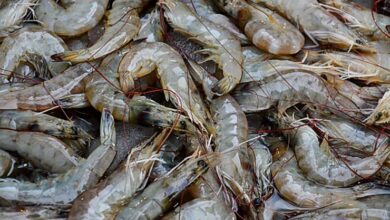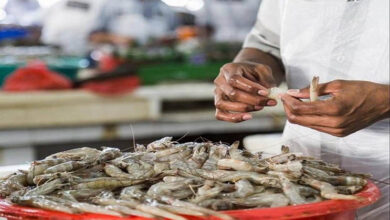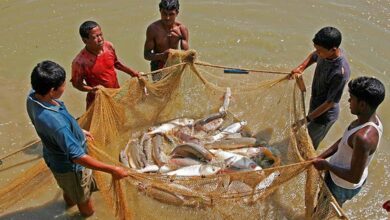
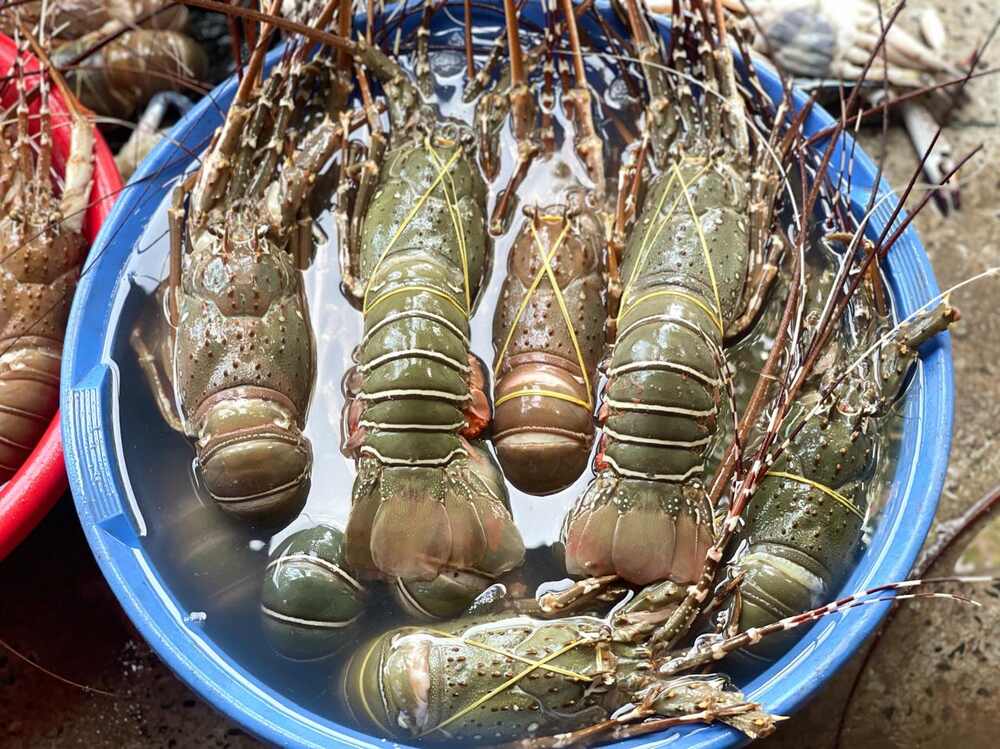
Bangladesh has long been recognized as a major player in global seafood production, particularly through its shrimp and fish exports. Yet beyond these familiar sectors lies a largely untapped opportunity-lobster aquaculture. Globally prized for its high market value and strong demand, lobster could represent the next frontier in Bangladesh’s seafood industry. The question is not whether the country has the resources, but whether it is ready to harness them.
A High-Value Global Commodity
Lobster is among the most expensive seafood products in international markets, commanding premium prices in destinations such as China, the European Union, and the United States. Countries like Vietnam, Indonesia, and Australia have already made significant progress in lobster farming, turning it into a lucrative export sector. Vietnam alone produces thousands of tons annually through aquaculture, demonstrating how targeted investment and innovation can transform a niche resource into a major economic driver.
With global demand sky rocketing, particularly in luxury food markets, lobster farming offers an attractive opportunity for countries seeking to diversify their seafood exports and increase foreign earnings.
Bangladesh’s Untapped Potential
Bangladesh possesses several natural advantages that make it suitable for lobster aquaculture. The coastal regions of Cox’s Bazar, Teknaf, and St. Martin’s Island provide favorable environmental conditions, like optimal salinity, temperature, and habitat structures. Additionally, spiny lobster species such as Panulirus are already found in these waters, indicating that the ecological foundation for farming exists.
Despite these advantages, lobster aquaculture remains virtually non-existent in Bangladesh. Current activities are limited to small-scale capture fisheries, with little to no effort toward farming or commercialization. This gap highlights a significant missed opportunity in the country’s broader blue economy strategy.
Barriers to Development
One of the primary obstacles in lobster farming is the lack of hatchery technology. Unlike shrimp or finfish, lobster larvae undergo a complex and lengthy developmental process known as the phyllosoma stage. This stage can last several months and requires highly controlled conditions, specialized feeding, and advanced technical knowledge. As a result, most lobster farming countries still depend heavily on wild seed collection, which raises sustainability concerns.
Infrastructure is another limiting factor. Successful lobster aquaculture requires well-developed systems for water quality management, disease control, and feed supply. Bangladesh’s current aquaculture infrastructure, while improving, is still largely tailored to shrimp and freshwater fish, leaving a gap in capacity for high-value species like lobster.
Additionally, financial risks and high initial investment costs discourage entrepreneurs from entering this lucrative and promising sector. Without proven models or pilot projects within the country, investors remain cautious about committing resources to what is perceived as a high-risk venture.
The Science Behind the Challenge
From a scientific perspective, lobster farming is one of the most complex forms of aquaculture. The larval stage alone presents significant difficulties. The phyllosoma larvae are transparent, delicate, and require specific live feeds that are not easily available or standardized. Survival rates during this stage are typically low, making hatchery production both challenging and costly.
Furthermore, lobsters are sensitive to environmental changes. Fluctuations in temperature, salinity, or water quality can lead to stress, disease, and mortality. Maintaining stable conditions requires advanced monitoring systems and skilled management resources that are still developing in Bangladesh’s aquaculture sector.
However, these challenges are not insurmountable. With proper research, training, and technology transfer, many countries have gradually improved their success rates in lobster farming.
Lessons from Other Countries
The experiences of other nations offer valuable lessons for Bangladesh. Vietnam, for instance, has developed a thriving lobster farming industry primarily based on sea cage culture. However, its heavy reliance on wild seed has raised concerns about environmental sustainability and resource depletion.
Australia, on the other hand, has invested heavily in scientific research to develop hatchery-based production systems. While progress has been slow, this approach offers a more sustainable long-term solution.
Indonesia presents a mixed picture, with rapid expansion followed by regulatory challenges aimed at protecting wild stocks. These global examples highlight a key insight: successful lobster aquaculture requires a balance between economic ambition and environmental responsibility.
A New Opportunity for the Blue Economy
For Bangladesh, lobster farming represents a potential game-changer for the blue economy and seafood. It will make a paradigm shift in foreign currency earning from mariculture. First, it offers a high-value export product that can significantly increase foreign exchange earnings. Compared to traditional fish species, lobsters yield much higher returns per unit, making them attractive for both small-scale farmers and large investors.
Second, it can create new livelihood opportunities in coastal communities. By diversifying beyond shrimp farming, which is already facing challenges from disease and environmental changes, lobster aquaculture can reduce economic vulnerability.
Third, it aligns with Bangladesh’s broader goals of sustainable marine resource utilization. With proper planning, lobster farming can be integrated into environmentally responsible aquaculture systems that minimize ecological impact.
The Way Forward
To unlock this untapped potential, Bangladesh must take a strategic and research-driven approach.
Investment in scientific research is essential, particularly in developing hatchery technology and improving larval survival rates. Collaboration with international research institutions and countries experienced in lobster farming could accelerate this process.
Pilot projects should be initiated in suitable coastal areas to test different farming methods and assess their economic viability. These projects can serve as learning platforms for both policymakers and entrepreneurs.
Capacity building is equally important as well. Training programs for farmers, technicians, and researchers will be necessary to develop the skills required for managing such a complex aquaculture system.
Finally, supportive government policies and incentives can encourage private sector participation. Clear regulations, access to financing, and infrastructure development will be key to attracting investment. Lobster aquaculture in Bangladesh is still in its infancy but its potential is undeniable. The country has the natural resources, the growing aquaculture expertise, and the strategic need to diversify its seafood sector. What it lacks is a coordinated effort to transform this opportunity into reality. In the coming years, as global demand for high-value seafood continues to rise, Bangladesh can become an active player in this lucrative market. With the right blend of science, policy, and investment, lobster farming could indeed become a cornerstone of the nation’s blue economy.
Md. Shofiullah
Student, Department of Oceanography
Noakhali Science and Technology University