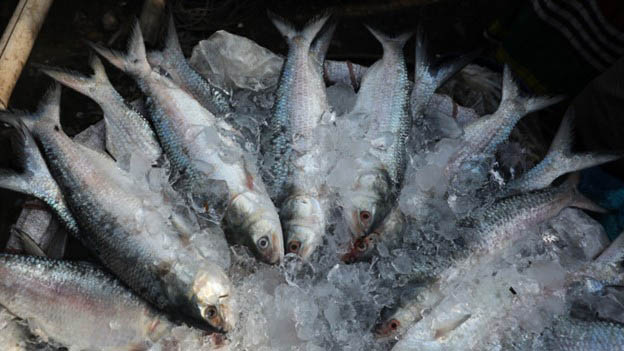
Bangladesh’s seasonal fishing bans have regained national attention as recent fisheries data highlight both progress and emerging challenges in marine resource management. According to the Fisheries Resources Survey System (FRSS), marine fish production declined to 6.29 lakh metric tonnes (0.629 million MT) in 2023–24 from 7.06 lakh metric tonnes (0.706 million MT) in 2021–22, reinforcing the growing need for sustainable harvesting practices and effective seasonal conservation measures. Over the past four decades, however, the country’s marine catch has expanded significantly from 1.65 lakh metric tonnes in 1983–84 to the present level demonstrating the vital role of the fisheries sector in Bangladesh’s economy, food security, and coastal livelihoods. As of FRSS 2024 data, the fishing fleet consists of 237 active industrial large trawlers and about 30,000 artisanal smaller vessels, and about 2 million fishers are active.
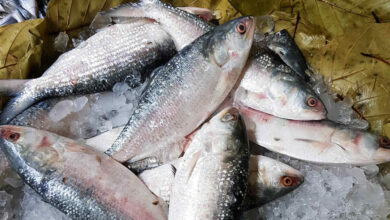
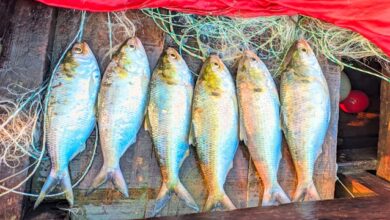
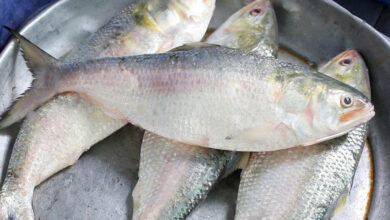
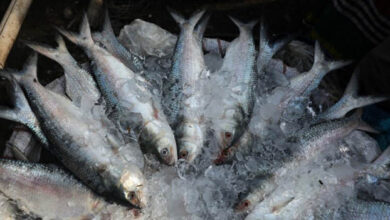
Every year, the government imposes a 22-day nationwide ban on catching, transporting, storing, and selling hilsa during its peak breeding season in October-November, alongside a 58-day ban on all kinds of fishing in marine waters from April to June. These measures, introduced under fisheries conservation laws, are considered crucial for protecting spawning fish and allowing marine stocks to replenish. The 22-day breeding season ban is especially important because it protects brood hilsa during the main spawning period. During this time, mature hilsa migrate from the Bay of Bengal into rivers and estuaries to lay eggs. Preventing their capture ensures successful breeding and increases the future stock of juvenile fish, locally known as Jatka (Under 25 centimeters).
Similarly, the 58-day marine fishing ban plays a wider ecological role by protecting all marine species during critical breeding and growth phases. This period allows shark, whales, dolphins, rays, fish, shrimp, and other marine organisms in the Bay of Bengal to reproduce and mature without fishing pressure, which ultimately contributes to increased catches in subsequent seasons. Experts warn that over-exploitation and uncontrolled fishing pressure are rapidly depleting marine resources in Bangladesh’s coastal waters. The ban period is therefore crucial, as it provides fish and other marine species with the necessary time to breed and replenish their stocks, protect biodiversity, ensuring long-term sustainability of the fisheries sector.
The significance of these bans is particularly profound in the Bangladeshi context, where fisheries remain a major pillar of the economy and a vital source of protein for millions of people. The GDP growth in the fisheries sector is 2.53 % and the contribution of the fisheries sector in the overall agriculture sector is 22.26 % in Fiscal Year 2022-23. To support affected fishermen, the government distribute vulnerable group feeding (VGF) rice. To ease the financial burden on fishing communities during the seasonal bans, the government has announced food assistance measures. Under the programme, each family received 25 kg of rice during the 22-day hilsa ban last year, while the government provided 78 kg of rice to every registered fisherman in the district during the 58-day marine fishing ban. In addition, several NGOs are working with fisher households affected by the ban period through a household-based approach to improve their livelihoods by promoting alternative income-generating activities.
Bangladesh government have warned that anyone violating the seasonal fishing bans may face up to two years of imprisonment, a fine of up to Tk 5 lakh, or both, under Bangladesh’s fisheries conservation laws. The strict penalties are aimed at discouraging illegal fishing and ensuring the protection of breeding fish stocks during critical conservation periods.
Hilsa, the national fish of Bangladesh, is not only a cultural symbol but also a major economic resource that supports the livelihoods of countless fishers, handlers, traders, transport workers, and market stakeholders. According to recent fisheries data from Department of Fisheries, hilsa production has maintained a strong trend over the past five years. Production rose from approximately 5.50 lakh metric tonnes in 2019–20 to 5.71 lakh metric tonnes in 2022–23, demonstrating the success of conservation-driven management. Although the figure slightly declined to 5.29 lakh metric tonnes in 2023–24, experts suggest that the overall trend still reflects significant long-term improvement compared to previous decades. The national fish as a single species has been making the highest contribution (10.55%) to the country’s total fish production. Geographical Indication Registration Certificate has also been achieved for our national fish hilsa named as ‘Bangladesh Ilish’ and also for tiger shrimp named as ‘Bangladesh Tiger Shrimp’. The observed increases in production are largely attributed to seasonal fishing bans, which help prevent overexploitation and ensure sustainable yields. Bangladesh’s total fish production has also shown steady growth, reaching over 50 lakh metric tonnes in 2023–24, indicating the broader positive impact of seasonal open water fisheries conservation policies. In a country where fisheries contribute significantly to nutrition, employment, and export earnings, these bans represent more than temporary restrictions. These bans are strategic investments in sustainable development, biodiversity conservation, and the future resilience of Bangladesh’s blue economy.
Al Shahriar
Fisheries Management Officer
Nature Conservation Management (NACOM)
Email: alshahriar12@gmail.com