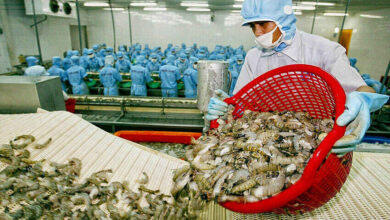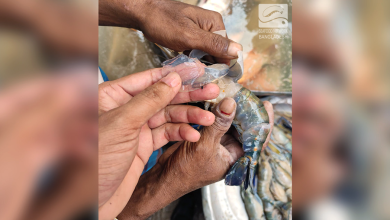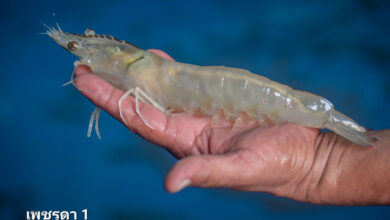
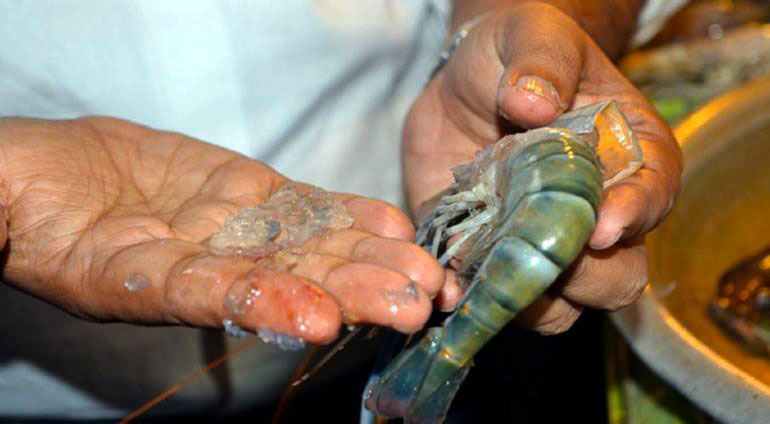
Recently, the Rapid Action Battalion (RAB) of Bangladesh seized 1,500 kg of shrimp in Sathkhira for injecting jelly inside them. So, the question is: “What is this Jelly and why do people push it into shrimp?”
This jelly is not a natural substance. It is an artificial gel-like material, typically made from substances like Sodium carboxymethyl cellulose (CMC), Sodium alginate, Silica gel, Konjac gum, starch, or other food-grade or industrial gelling agents by mixing with water. This adulteration operation is mainly done in the depots to increase the weight of the shrimp as a single kilogram can be bulked up by 100-200 grams.
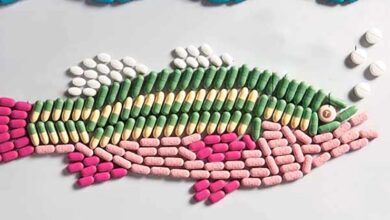
Shrimp is called the “White Gold” of Bangladesh as it earns a huge amount of foreign exchange. But this unethical practice of pushing jelly threatens Bangladesh’s reputation with foreign buyers. Sometimes foreign buyers return shipments after identifying jelly on them. As a result, Bangladesh faces huge economic loss every year. The shrimp industry, which once earned $529 million in the 2015-16 fiscal year, has seen its export earnings drop to less than $300 million due to the loss of buyer’s trust. This practice lead to export challenges for Bangladesh. The US FDA maintains an Import Alert 16-18, allowing detention of raw shrimp without physical examination due to contamination risks. In May 2026, the US FDA reportedly refused a significant portion (77.5%) of contaminated shrimp contaminated with banned antibiotics that came from BAP-certified facilities. (Source: U.S. FDA Import Refusal Data; analysis by Randox Food Diagnostics: )
These adulterated shrimps also cause severe health risks to consumers. The gelling materials lead to bacterial contamination and rapid decomposition of the shrimp. Ingesting these synthetic chemicals can lead to kidney and liver dysfunction. Moreover, long-term consuming has also been linked to reproductive issues, hormonal disorders, and weakened immune systems.
In 2026, RAB, Coast Guard, Police and other related authorities conducted multiple mobile court drives across districts like Sathkhira, Narsingdi, Feni, Khulna, and Sirajganj, seizing over 2500 kg of shrimp containing jelly and fining traders with amounts ranging from Tk 4,000 to Tk 50,000. But these actions are not sufficient for such a large and growing industry.
Shrimps adulterated with jelly are also sold in the local fish market of Bangladesh which are difficult to detect due to significant resource and policy gaps within the government’s monitoring and law enforcement system. Experts warn that without systematic monitoring and control across all levels, from local market to export processing, including disease detection and proper drug use, the Bangladesh shrimp and prawn industry will struggle to regain its golden international reputation.
Ali Arman Jobayer
Faculty of Fisheries, PSTU