Bangladesh has halted ongoing imports of hilsa from India after the Department of Fisheries reportedly cancelled a number of No Objection Certificates (NOCs) previously issued to fish importers.
The decision comes only weeks after Bangladesh began importing hilsa from India, an unusual development for a country widely recognized as the world’s leading hilsa-producing nation.
Much of the Indian hilsa entering Bangladesh was reportedly sourced from Gujarat, with consignments moving through Bharuch. The imports were seen as a response to reduced domestic availability and rising demand for the prized fish.
An unusual reversal in hilsa trade
For decades, the flow of hilsa between Bangladesh and India has generally moved in the opposite direction. Bangladesh has traditionally supplied hilsa to Indian markets, particularly West Bengal, during the Durga Puja season.
This year, however, Bangladesh first emerged as an importer of Indian hilsa, while exporting Bangladeshi hilsa to India for Durga Puja currently on halt.
The reversal has attracted considerable attention among fish traders on both sides of the border.
According to reports, the Department of Fisheries has cancelled several NOCs that had allowed importers to bring hilsa into Bangladesh. The precise rationale for the cancellations has not been publicly established.
Some reports have suggested concerns that imported hilsa could be marketed as Bangladeshi or Padma hilsa. However, this remains a reported explanation rather than a formally confirmed reason from the authorities.
Domestic supply remains a concern
The import suspension comes against the backdrop of concerns over Bangladesh’s domestic hilsa supply and market prices.
Bangladesh remains heavily dependent on its own hilsa fisheries to meet domestic demand. Any decline in catches can put additional pressure on prices, particularly during periods of strong seasonal demand.
The recent import of from Gujarat hilsa was therefore notable not only because of its origin but also because it represented an unusual response to domestic market conditions.
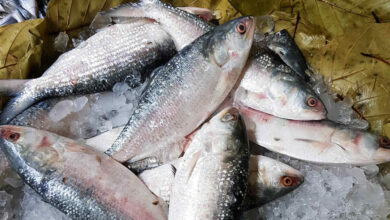
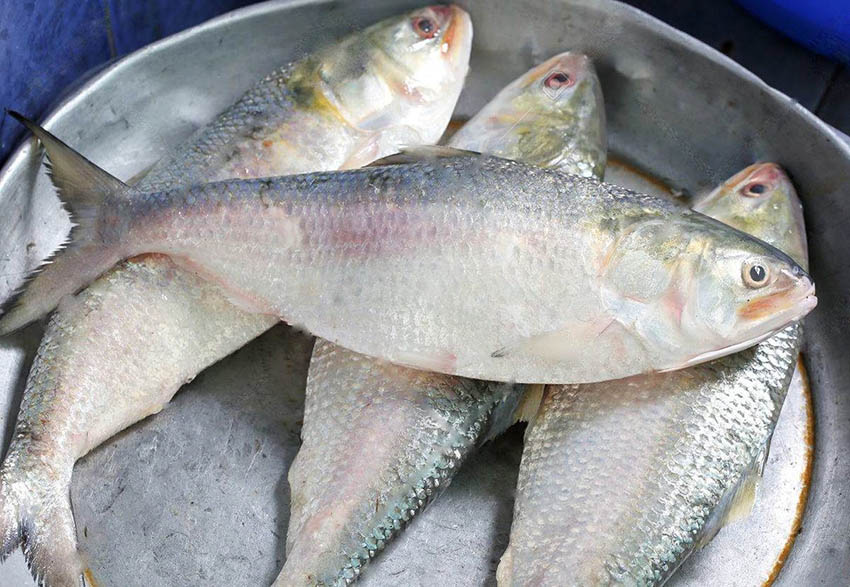
Indian hilsa and Bangladeshi hilsa are the same species, Tenualosa ilisha, although characteristics can vary depending on habitat, season, size and feeding conditions.
Will Bangladeshi hilsa reach India for Durga Puja?
While Bangladesh has previously permitted limited hilsa exports to India ahead of Durga Puja, no export allocation for this year’s festival had been announced at the time of reporting.
The situation creates an unusual scenario in the regional hilsa market: Bangladesh has imported hilsa from India while the traditional seasonal export of Bangladeshi hilsa to India remains uncertain.
For consumers and traders, the coming days will determine whether the cross-border hilsa trade resumes in either direction before the Durga Puja market reaches its peak.
For Bangladesh’s fisheries sector, the episode also highlights the growing importance of domestic production, traceability and clear differentiation between locally harvested hilsa and imported fish.